
As pet owners, we all want our furry friends to live a long and healthy life. However, we can’t always guarantee that we will be around to take care of them for their entire lifetime. This is why it is important to plan for the future, especially when it comes to the financial well-being of our pets. In this article, we will discuss how to create a pet trust in Colorado to ensure that your pet will be taken care of, even after you’re gone.
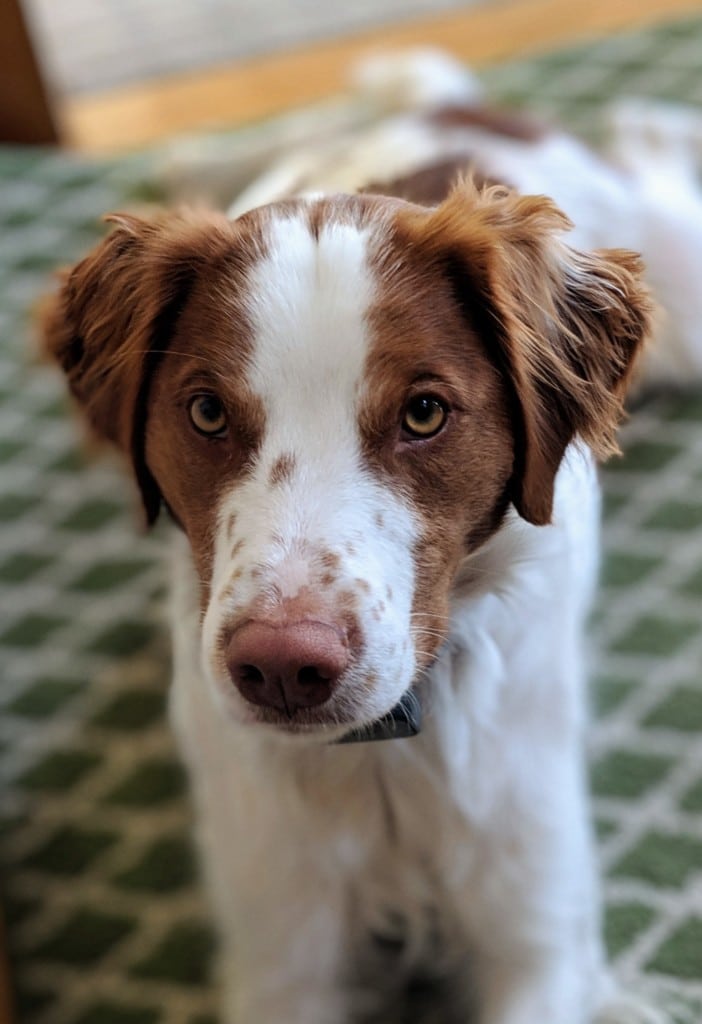
What is a Pet Trust?
A pet trust is a legal document that allows you to set aside funds for the care of your pets after you pass away. The trustee that you appoint will be responsible for managing the funds and ensuring that they are used for the care of your pets. You can specify the type of care that you want your pets to receive, such as medical treatments or special dietary needs, and the trustee will be legally obligated to follow your instructions.
Why is a Pet Trust Important?
Creating a pet trust is important for several reasons. First, it ensures that your pets will continue to receive the care they need, even if you are no longer around to provide it. Second, it gives you peace of mind knowing that your pets are taken care of and that their needs will be met. Third, it can prevent potential family conflicts over who will take care of your pets or who will receive the funds to do so.
How to Create a Pet Trust in Colorado
Creating a pet trust in Colorado is a straightforward process. The first step is to determine who you want to appoint as the trustee. This can be a friend, family member, or a professional trustee. Next, you will need to specify the amount of money that you want to set aside for your pets and the type of care that you want them to receive.
You will also need to specify who you want to take care of your pets and how you want the trustee to distribute the funds. For example, you may want the funds to be distributed on a monthly basis, or you may want them to be distributed all at once. Additionally, you can specify what should happen to any remaining funds after your pets pass away.
Your pet trust will be a part of your estate plan as it is generally written into your trust or will.
Benefits of Working with an Experienced Colorado Estate Planning Attorney
Creating a pet trust is an important step in ensuring the future well-being of your furry friend. However, the process can be complex, and it is essential to work with an estate planning attorney that specializes in wills and trusts. They will be able to guide you through the process and help you make the best decisions for your pet’s future.
At The Law Office of Clark Daniel Dray, we have extensive experience in creating pet trusts for our clients. We understand the unique needs of pet owners and can help you create a plan that meets your specific needs. We can provide guidance on the amount of money to set aside, the type of care to specify, and the best trustee to appoint.
Conclusion
In conclusion, creating a pet trust is an important step in ensuring the well-being of your pets after you’re gone. By creating a legal document that outlines your wishes for the care of your furry friends, you can rest assured that they will be taken care of for the rest of their lives. Working with an experienced Colorado estate planning attorney at The Law Office of Clark Daniel Dray can help make the process easier and ensure that your pet’s future is in good hands.